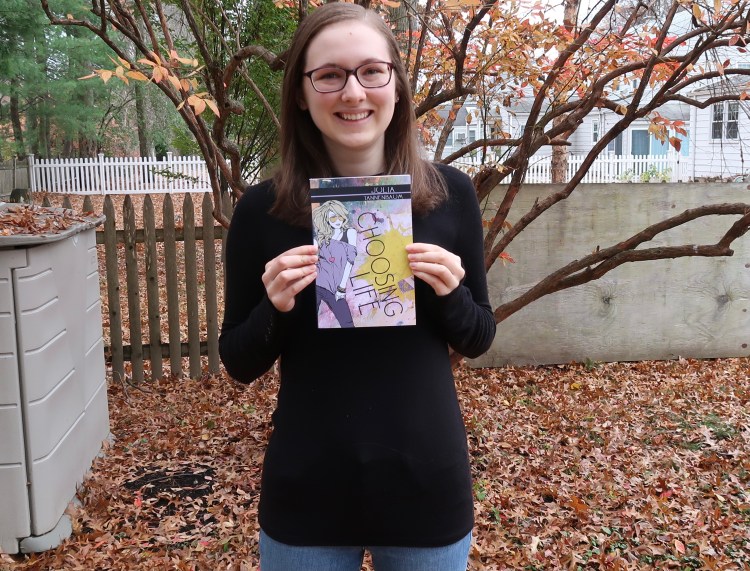
Something super exciting happened this week: I published my new book, Choosing Life! This is the third book I’ve published in the past three years and will complete the Changing Ways series that I’ve devoted my life to since I was seventeen. For those of you who don’t know my story, I started writing in eighth grade. It began as a half-assed attempt to please my then-therapist, who was constantly suggesting coping skills for me to try, but it quickly became something much more. I was deeply entrenched in my eating disorder at that time and struggled to talk openly about what I was going through. But when I wrote, it felt like a weight had been lifted of my chest. Writing became my voice during those dark and scary years when I was very sick. It basically saved me.
Helping a loved one get well when they’re ill usually involves doing what you can to help them relieve their discomfort and fight to overcome their illness. You’re working together. This isn’t the case with mental illness. For a teenager with an eating disorder like Julia, wellness and relief from pain were not her endgame when she was in crisis, nor we were in it together. It was so complicated and counterintuitive as a parent and caregiver. I couldn’t understand why anyone would feel compelled to harm themselves. But mental illness sends a different message to the afflicted. It makes everyday living full of conflict. Anorexia, experts say, is the worst of all of them with its high mortality rate and long-term physical damage.
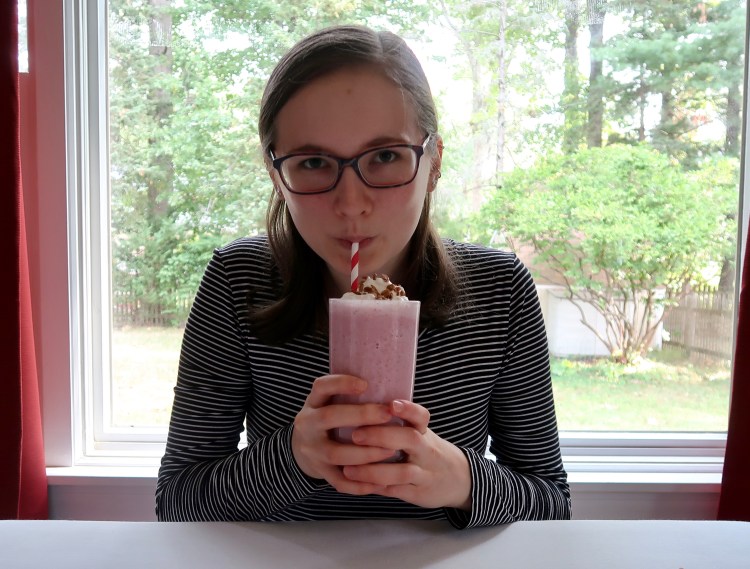
Drinking calories to restore weight is very common in eating disorder treatment. ED patients are often required to eat a high number of calories, and that can be a challenging feat—for both the body and the mind. But liquids go down easier. They take up less room in the stomach. Not to mention that they’re a lot less intimidating than a slice of cake or a piece of pizza, even if the caloric value is similar.
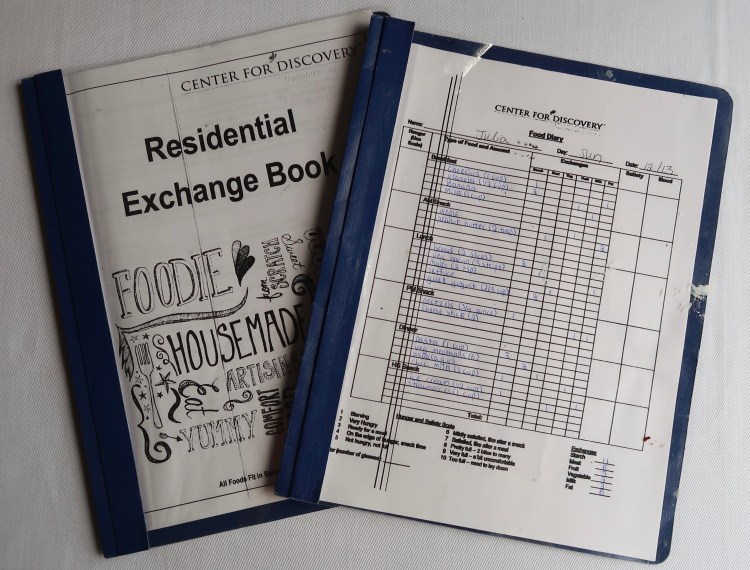
This past Saturday marked the five-year anniversary of my admission to Center for Discovery, my last inpatient treatment facility. It still gives me pause sometimes when I realize how long ago that was. It’s a good reminder of how far I’ve come and that although I still struggle and have challenging days, it used to be so much worse.
It’s that time of the year when kids say goodbye to summer and return to school. While the current state of the world is posing unprecedented challenges to students, that transition—even under more normal circumstances—was always difficult for me. Whether it was in eighth grade when I rapidly spiraled into an eating disorder days after the school year began or my first hospital admission in the fall of ninth grade or having to medically withdraw from college last year after only one month, going back to school consistently caused quite a few problems.
My kids grew up watching their mothers haul the kitchen scraps to the compost bin in the corner of our yard day in and day out in all types of weather. They had to listen to me talk excitedly each year about the early spring tradition of digging up the cooked compost from “the pit” and moving it to the vegetable garden, followed by moving the uncooked compost from the bin into “the pit” for next spring, and finally cleaning out and repairing the bin to begin anew. The smell, the worms, the browns and greens, all of it they have heard every year for their whole lives.
For as long as I can remember, I’ve been a vegetarian. Both of my parents are pescatarian, so I grew up eating very little meat. I cut meat out altogether when I was seven, mostly for ethical reasons, then fish at age twelve, and I’ve never gone back. Being a vegetarian is all I’ve ever known, so you can imagine my surprise when my lifestyle was met with skepticism and disapproval by the doctors who treated me for my eating disorder.



 Nourish