Happy National Eating Disorder Awareness Week 2021! It seems like with every passing year, the engagement in this event grows. I’ve loved logging onto Instagram and Twitter and seeing so many positive quotes and recovery stories on my feed. This type of openness and support has been monumental in chipping away at the stigma surrounding mental illness and truly is the best way to normalize talking about mental health and keep making forward progress.
Today marks the five-year anniversary since I began seeing my dietitian Betsy. It feels a bit surreal that it’s already been that long—and even more surreal when I reflect on how much I’ve grown in my recovery and my life since our first session. When I met Betsy, I was two days out of an Intensive Outpatient Program and two months out of residential care. My anorexia was still at large, dictating many of my decisions and driving many of my thoughts. I genuinely wanted to get better but when that voice was so loud and present, better sometimes didn’t seem worth the bother.
Food is fuel. Food is medicine. Most of us are familiar with the first saying, and those who have had or cared for someone with an eating disorder also know the second. Our bodies send out hunger cues every 3-4 hours as our blood sugar level drops. If we don’t take the cue and eat enough, we lose energy and aren’t as alert or focused. We start to feel sluggish, irritable, and weak. If we respond to our bodies’ need for fuel, we typically feel and behave better. It makes sense that a regular eating schedule can significantly contribute to helping our bodies and minds function at their best.
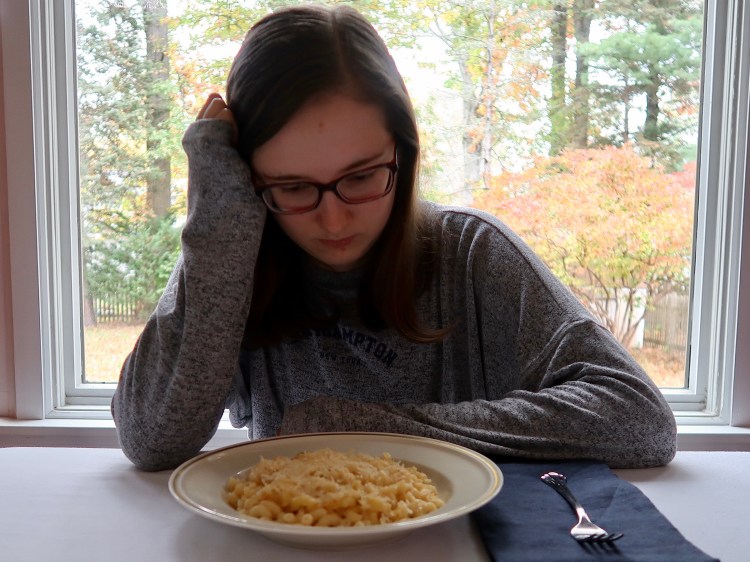
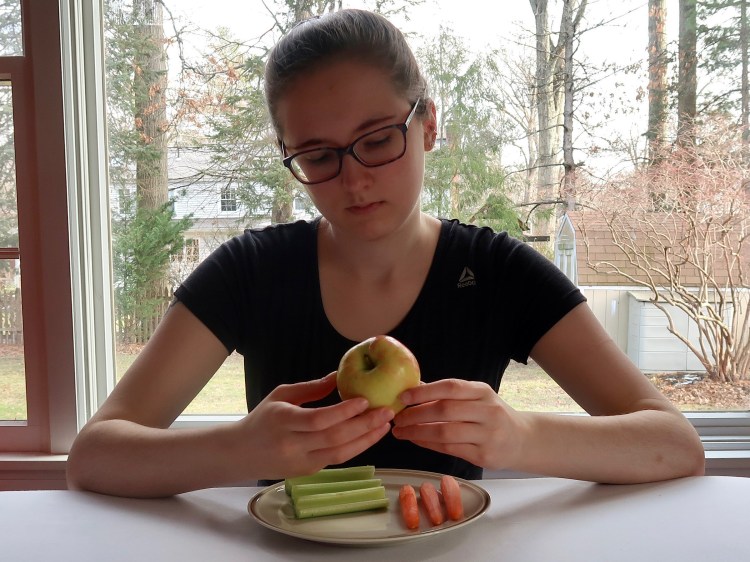
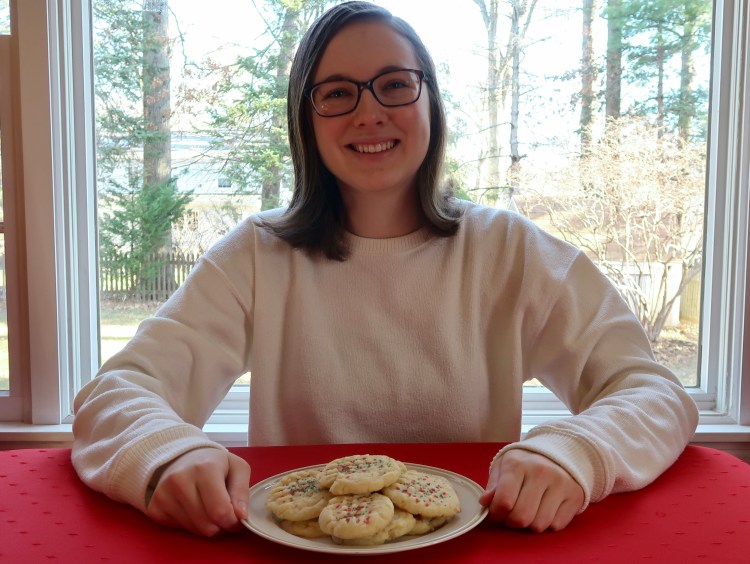
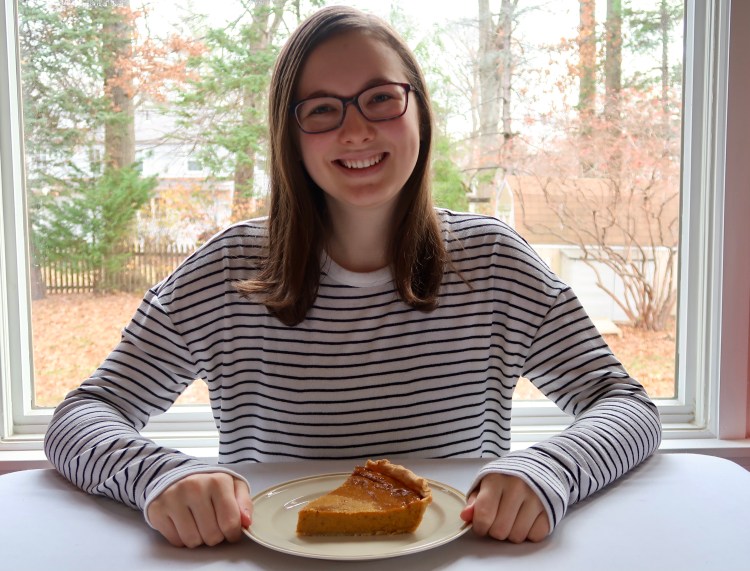
Fear foods, as the name suggests, describes certain foods that someone feels anxious, afraid, or uncomfortable eating. It’s not uncommon among people with eating disorders to develop these often irrational fears of food and even group food in boxes and assign labels such as “good” or “bad,” “safe,” or “unsafe,” and “healthy” or “unhealthy” to them.
Ah, January. The time of the year when the thrill of the holidays is over, the temperature is at an all-time low (at least in New England), and around the world, millions of people have put their New Year’s resolutions into motion. A simple google search confirms that by far the most popular resolution is losing weight, which is unsurprising considering how most societies prioritize thinness.
Like many children, when I was younger, Christmas was my favorite time of the year. From the abundance of presents to the delicious food to the fun traditions to the time spent with my family, it was a magical experience. Memories like riding the “Polar Express” in Essex, portraying an Archangel in my UU church’s Christmas Pageant, and visiting the enormous Christmas tree in Rockefeller Center have stuck with me to this day, many years later.
Of all the holidays I celebrate, Thanksgiving is my least favorite. This shouldn’t come as a surprise; that I, an introverted vegetarian recovering from an eating disorder, do not enjoy a day where large groups of people gather to eat large amounts of rich and meaty food. But it almost always does.
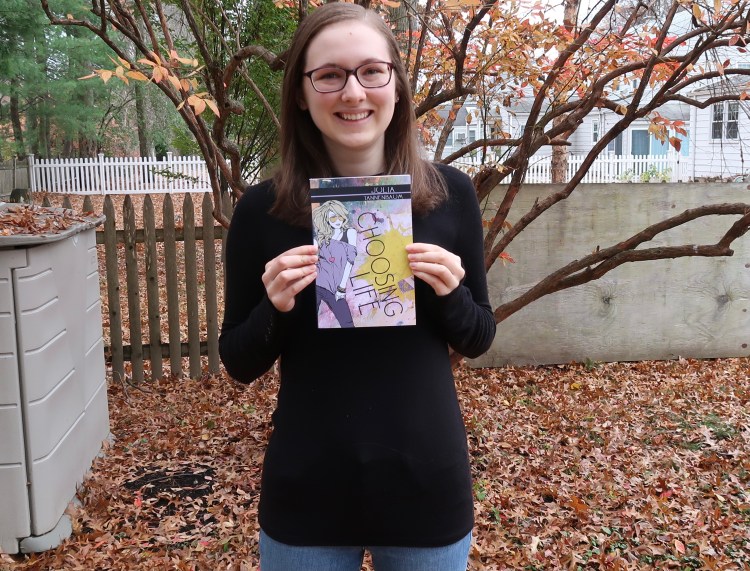
Something super exciting happened this week: I published my new book, Choosing Life! This is the third book I’ve published in the past three years and will complete the Changing Ways series that I’ve devoted my life to since I was seventeen. For those of you who don’t know my story, I started writing in eighth grade. It began as a half-assed attempt to please my then-therapist, who was constantly suggesting coping skills for me to try, but it quickly became something much more. I was deeply entrenched in my eating disorder at that time and struggled to talk openly about what I was going through. But when I wrote, it felt like a weight had been lifted of my chest. Writing became my voice during those dark and scary years when I was very sick. It basically saved me.


 Nourish