Julia was only thirteen when she was diagnosed with anorexia, depression, and anxiety: the trifecta of mental illness, as I called it. I spent far too much time trying to figure out how and why it happened; after all, I was the stay-at-home mother by choice and with all that daily love and experience I was giving my children, I should have seen the signs and intervened. But more often than not, parents aren’t to blame for mental illness, as was the case for my wife Susan and me.
Food is fuel. Food is medicine. Most of us are familiar with the first saying, and those who have had or cared for someone with an eating disorder also know the second. Our bodies send out hunger cues every 3-4 hours as our blood sugar level drops. If we don’t take the cue and eat enough, we lose energy and aren’t as alert or focused. We start to feel sluggish, irritable, and weak. If we respond to our bodies’ need for fuel, we typically feel and behave better. It makes sense that a regular eating schedule can significantly contribute to helping our bodies and minds function at their best.
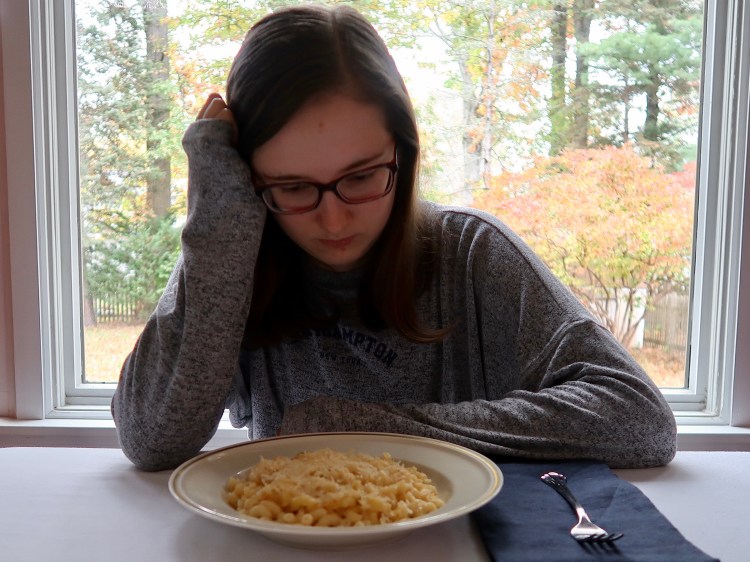
Fear foods, as the name suggests, describes certain foods that someone feels anxious, afraid, or uncomfortable eating. It’s not uncommon among people with eating disorders to develop these often irrational fears of food and even group food in boxes and assign labels such as “good” or “bad,” “safe,” or “unsafe,” and “healthy” or “unhealthy” to them.
A huge shoutout and thank you to Smitha’s Bake Love for this awesome nomination! Smitha’s blog posts beautiful, mouthwatering food content that we always look forward to seeing on our timeline. We strive to one day bake and photograph food as masterfully as she does! The Sunshine Blogger Award is given to bloggers by fellow bloggers who are creative, positive, and inspiring. After receiving the nomination, the blogger has the honor of writing a post that thanks the nominator, answers some fun questions, and nominates more bloggers for the award.
Like many children, when I was younger, Christmas was my favorite time of the year. From the abundance of presents to the delicious food to the fun traditions to the time spent with my family, it was a magical experience. Memories like riding the “Polar Express” in Essex, portraying an Archangel in my UU church’s Christmas Pageant, and visiting the enormous Christmas tree in Rockefeller Center have stuck with me to this day, many years later.
Deciding to become a vegetarian 25 years ago was an impulse decision that I have never regretted making. I didn’t like the way eating meat made me feel, nor did I like the slaughtering of animals. And so one day, while separating the raw chicken breasts in a value pack into smaller portions, I stopped and thought about what I was holding in my hands and asked myself if this, if eating meat, was really something I felt good about. My wife didn’t need any convincing and just like that, we became vegetarians. We’ve never looked back, and year by year, as the research on the benefits of living a vegetarian lifestyle increase, I feel proud of the choice that we made.
Of all the holidays I celebrate, Thanksgiving is my least favorite. This shouldn’t come as a surprise; that I, an introverted vegetarian recovering from an eating disorder, do not enjoy a day where large groups of people gather to eat large amounts of rich and meaty food. But it almost always does.
Helping a loved one get well when they’re ill usually involves doing what you can to help them relieve their discomfort and fight to overcome their illness. You’re working together. This isn’t the case with mental illness. For a teenager with an eating disorder like Julia, wellness and relief from pain were not her endgame when she was in crisis, nor we were in it together. It was so complicated and counterintuitive as a parent and caregiver. I couldn’t understand why anyone would feel compelled to harm themselves. But mental illness sends a different message to the afflicted. It makes everyday living full of conflict. Anorexia, experts say, is the worst of all of them with its high mortality rate and long-term physical damage.





 Nourish